
Windows PC makers typically haven’t had to compete with Apple on the low end, but that changes with the Neo, says S.Y. Hsu. The memory shortage might complicate things, though.
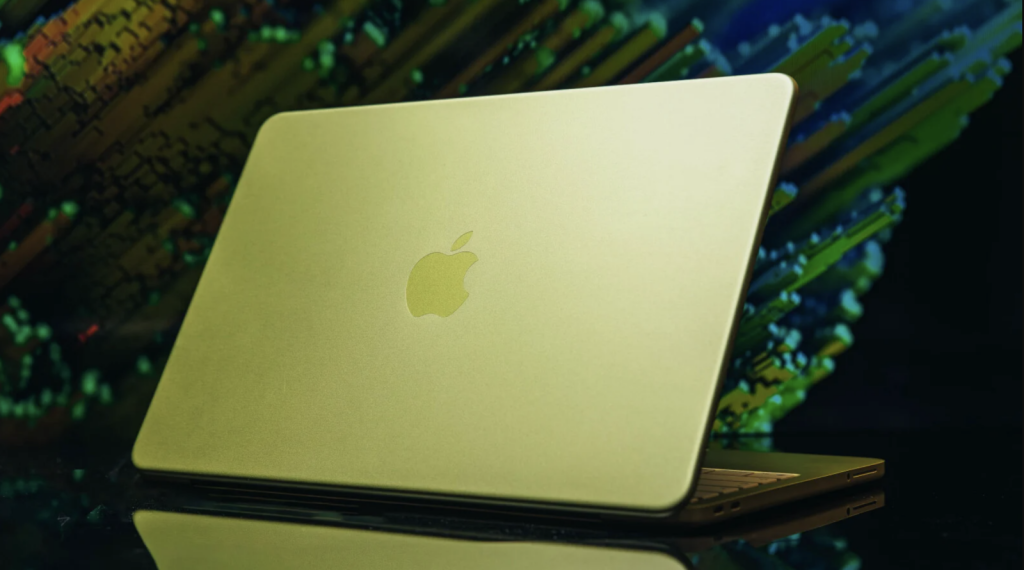
The Apple MacBook Neo’s $599 starting price is a “shock” to the Windows PC industry, according to an Asus executive.
In a Tuesday earnings call, Asus co-CEO S.Y. Hsu said Apple’s low-cost MacBook will force the PC industry to respond. “In the past, Apple’s pricing situation has always been high, so for them to release a very budget-friendly product, this is obviously a shock to the entire industry,” he said in comments translated from Chinese.
Hsu said he believes all the PC players—including Microsoft, Intel, and AMD—take the MacBook Neo threat seriously. “In fact, in the entire PC ecosystem, there have been a lot of discussions about how to compete with this product,” he added, given that rumors about the MacBook Neo have been making the rounds for at least a year.
Despite the competitive threat, Hsu argued that the MacBook Neo could have limited appeal. He pointed to the laptop’s 8GB of “unified memory,” or what amounts to its RAM, and how customers can’t upgrade it.
He also described the MacBook Neo as a “content consumption” device, similar to an iPad. “This is different from the use case of a mainstream notebook,” which can handle more compute-intensive tasks, Hsu said.
That said, PCMag gave the MacBook Neo an “outstanding” score in our review. It delivers fast speeds for basic computing and can also be used for light gaming. Preorders started last week ahead of a March 11 launch, and shipping times have already slipped to a few weeks.
“How big of an impact [the MacBook Neo] will have on the PC industry will still require some time for us to observe,” Hsu said while suggesting it might not gain traction among Windows PC users due to software differences. “Of course, the entire Windows PC ecosystem will push out products to compete against Apple,” he added.
Still, the PC industry is facing a major bottleneck due to an AI-driven memory shortage, which has driven up prices for all kinds of consumer electronics. During the earnings call, Asus noted that memory prices have increased by more than 100% quarter over quarter, echoing findings from other vendors, including HP.
Hsu also said that once Asus’s memory supplies run out, forcing it to buy more, it will need to examine product prices. This could lead to increases, although the company still wants to ensure its laptops and PC components remain competitive. The memory crunch is expected to persist for two years, since it won’t be until late 2027 when new memory fabs finally come online, he added.