
Nvidia will work with BT Group, Cisco, Deutsche Telekom, Nokia, SK Telecom, Softbank, and T-Mobile, among others, to transform global telecom networks into ‘AI infrastructure everywhere.’
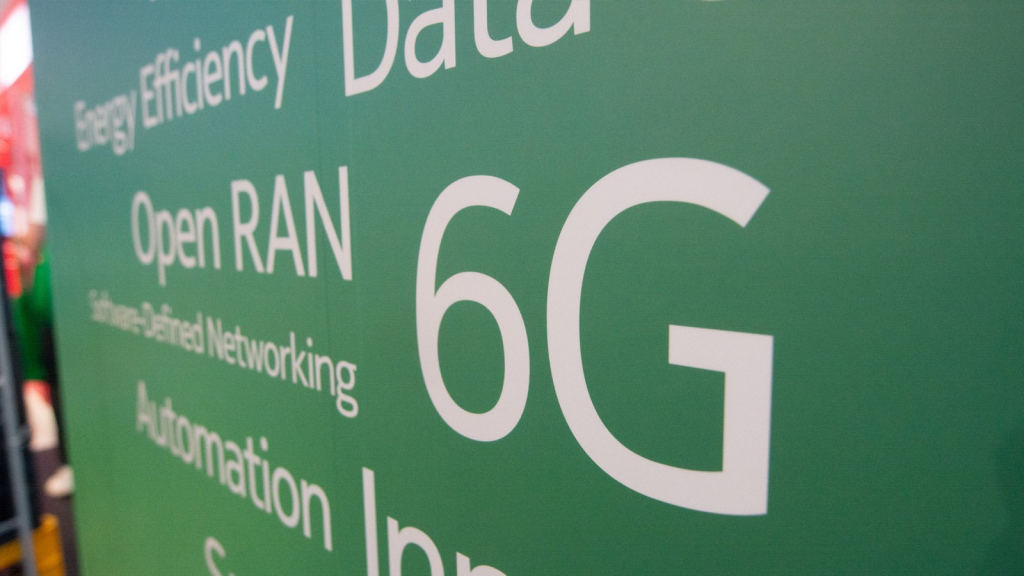
At Mobile World Congress this week, Nvidia said it would team up with several telecom infrastructure companies on 6G technology, and it wants to make it open source.
As TechSpot reports, this is partly to ensure that the mobile internet has the power it needs to support future AI devices while allowing smaller firms to innovate without paying licensing fees. And, of course, it ensures that Nvidia hardware remains at the heart of the buildout.
“AI is redefining computing and driving the largest infrastructure buildout in human history—and telecommunications is next,” Nvidia CEO Jensen Huang said in a statement. “Together with a global coalition of industry leaders, Nvidia is building AI-RAN [radio access network] to transform the world’s telecom networks into AI infrastructure everywhere.”
Nvidia will work with BT Group, Cisco, Deutsche Telekom, Nokia, SK Telecom, Softbank, and T-Mobile, among others. Together, Nvidia wants them to develop an AI-capable backbone for mobile connectivity. This AI-powered, accessible RAN would enable the onboarding of billions of AI-connected devices, providing the security, speed, and trust they require, Huang says.
This is quite different from the rollout of 5G internet, which was largely locked down by Ericsson and Nokia’s proprietary hardware and software. With the next generation, Nvidia is getting ahead of the game and bringing together many interested parties that want a piece of that next-gen pie. It’s also drawn interest from the US government, which sees open-source platforming as a way to reduce its reliance on technology from foreign firms.
But LightReading argues that Nvidia might be looking to position itself as a keystone within that open-source ecosystem. It’s developed an early example of how an AI RAN might operate with Aerial, an open-source reference platform for radio access developed by DeepSig. Aerial, however, requires developers to work with Nvidia’s CUDA, as it won’t work with general-purpose CPUs from Intel or AMD, or on a system based on ARM Holdings’ architecture.
Nokia is reportedly trialling Nvidia GPUs with “Layer 1” RAN software from T-Mobile in the US. Ericsson, on the other hand, is pushing to develop solutions that can run on more general CPUs, which could open up greater options for hardware to power this next generation of RANs.
The sheer scale of interest from other telecom companies in developing a more open 6G network seems likely to win the day, especially with Nvidia putting its shoulder behind the initiative. But it also seems very clearly driven by self-interest. Embedding CUDA into the very backbone of future mobile internet and AI infrastructure would make Nvidia even more of a key player in an industry where it is already the key player.
